History and Origin of the Akita Inu
The Akita Inu is a ancient Japanese dog breed originating from the mountainous regions of northern Japan, specifically Akita Prefecture. Originally bred for hunting large game such as bears, boars, and deer, the Akita also served as a guard dog and symbol of status for samurai. The breed's history traces back to the 17th century, with the famous dog Hachiko immortalizing the Akita's unwavering loyalty in the 1920s. After World War II, the breed nearly faced extinction but was revived by dedicated breeders. Today, two distinct types exist: the American Akita and the Japanese Akita Inu, the latter adhering strictly to the original Japanese standard.
Physical Appearance
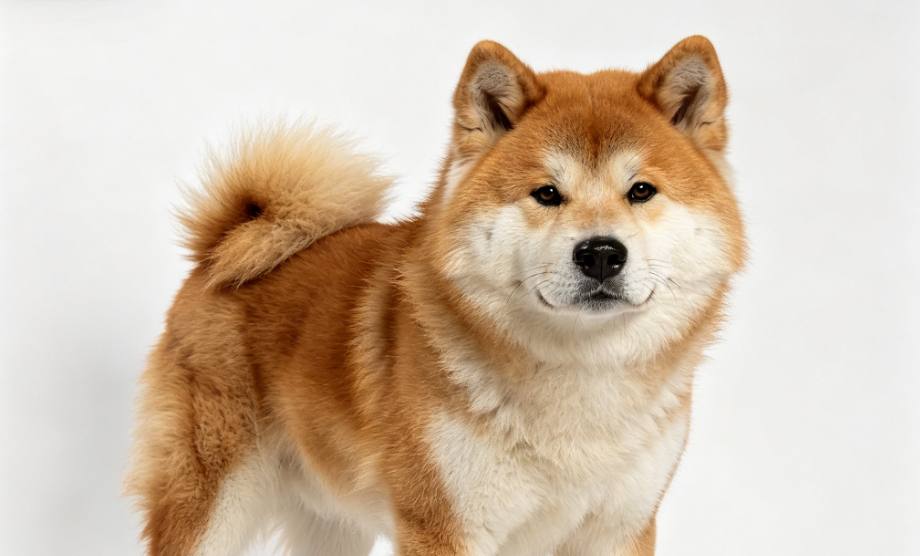
The Akita Inu is a large, powerful, and well-proportioned dog with a sturdy build. Males stand 26-28 inches (66-71 cm) at the shoulder and weigh 100-130 pounds (45-59 kg), while females are 24-26 inches (61-66 cm) and 70-100 pounds (32-45 kg). The breed has a double coat: a thick, soft undercoat and a straight, harsh outer coat. Accepted colors include red fawn, sesame, brindle, and white, all with urajiro (white markings on the cheeks, muzzle, chest, and tail). Distinctive features include a broad head, triangular eyes, erect ears, and a curled tail carried over the back.
Temperament and Personality
Akitas are known for their dignity, courage, and profound loyalty to their family. They are naturally reserved with strangers and can be aloof, but they are affectionate with their owners. This breed is independent and intelligent, which can sometimes translate into stubbornness. Akitas are not typically good with other dogs, especially same-sex ones, and have a strong prey drive. Early socialization and consistent, positive training are essential. They are calm indoors but require an experienced handler who can provide firm leadership without harshness.
Suitability for Different Households
Exercise and Mental Stimulation
Akitas need moderate daily exercise, about 30-60 minutes of walking or play. They enjoy activities like hiking and fetch but should always be on leash due to their prey drive. Mental stimulation is crucial to prevent boredom; puzzle toys, obedience training, and scent work are excellent. Without adequate mental and physical outlets, they may become destructive or develop behavioral issues.
Grooming Needs
The double coat sheds heavily, especially during shedding seasons (spring and fall). Brushing two to three times a week is necessary, with daily brushing during heavy shedding. A slicker brush and undercoat rake are useful. Bathing every few months or as needed. Regular nail trimming, ear cleaning, and dental care should be part of the routine.
Common Health Issues and Lifespan
Akitas have an average lifespan of 10-13 years. Common health problems include hip dysplasia, progressive retinal atrophy (PRA), autoimmune disorders (such as Vogt-Koyanagi-Harada syndrome), hypothyroidism, and bloat (gastric dilation volvulus). Regular veterinary check-ups and a healthy diet can mitigate some risks. Testing for genetic conditions is recommended before breeding.
Monthly Care Costs
Food (high-quality dry kibble)
$60 - $100
Treats & Chews
$15 - $30
Routine Vet Care (average)
$30 - $50
Grooming Supplies
$10 - $20
Pet Insurance
$40 - $70
Toys & Enrichment
$10 - $20
Total Estimated Monthly Cost
$165 - $290
These costs vary based on location, dog's health, and lifestyle. Emergency vet visits or specialized care can increase expenses. Prospective owners should budget accordingly.
In summary, the Akita Inu is a majestic and loyal breed that requires a dedicated owner. With proper training, socialization, and care, they make a steadfast companion for experienced dog lovers.