History and Origin
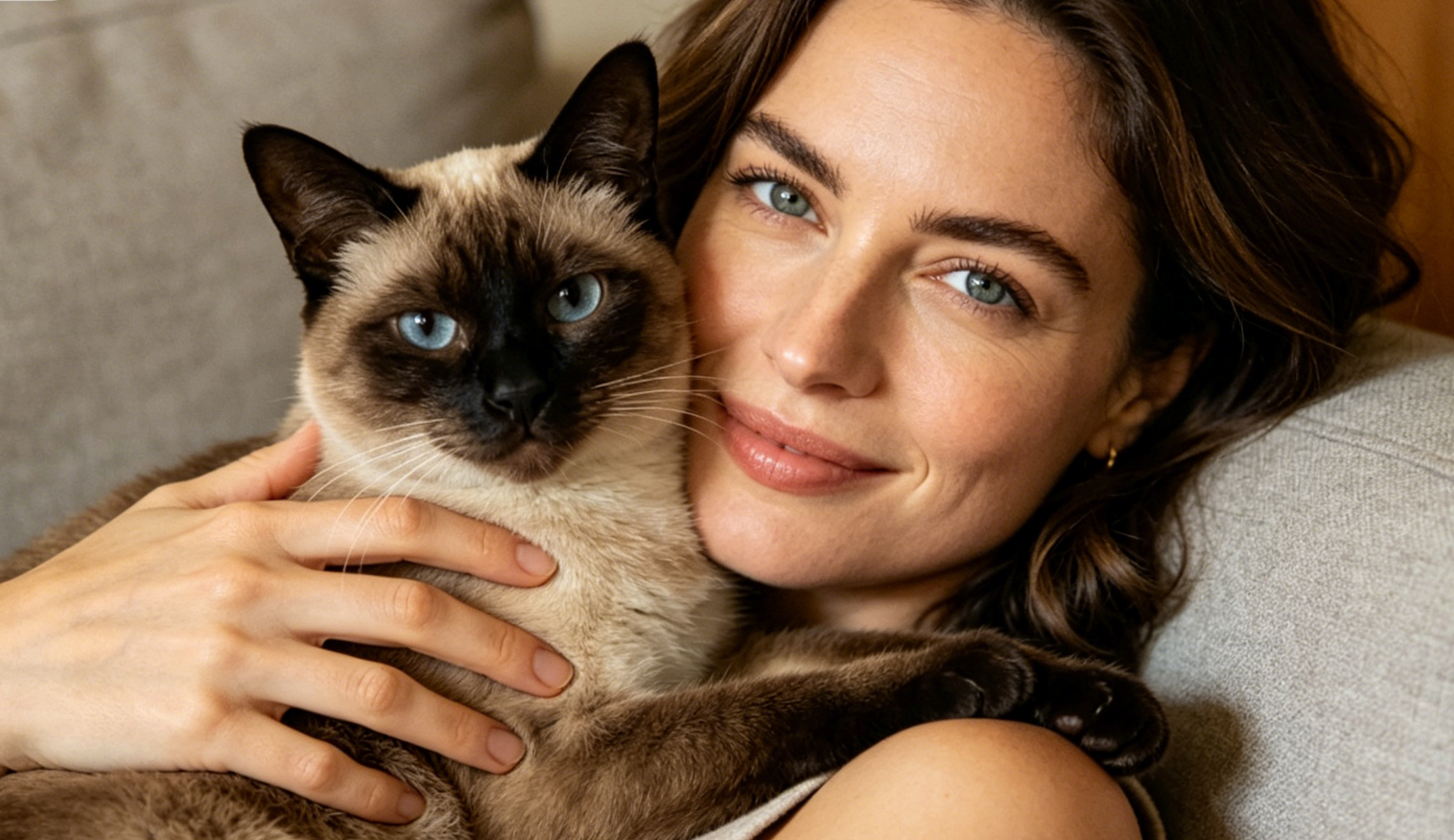
The Siamese cat is one of the oldest and most recognizable cat breeds, originating from Thailand (formerly Siam). Historical records and manuscripts, such as the Tamra Maew (Cat-Book Poems), depict Siamese cats dating back to the 14th century. They were revered in Thai royalty and Buddhist temples, believed to bring good fortune. The breed first appeared in the West in the late 1800s, when the King of Siam gifted a pair to a British consul. They quickly gained popularity for their striking blue eyes and color-pointed coat.
Appearance
Siamese cats are medium-sized, elegant, and muscular. Males weigh 9–12 pounds, females 7–10 pounds. Their defining feature is the color-point pattern: a creamy white body with darker points on the ears, face, paws, and tail. Accepted point colors include seal, chocolate, blue, and lilac. Their coat is short, fine, and glossy. They have large, almond-shaped deep blue eyes, a wedge-shaped head, large ears, and a long, slender tail.
Personality and Temperament
Siamese cats are known for being extremely social, vocal, and demanding of attention. They form strong bonds with their owners and can become depressed if left alone for long periods. They are intelligent, curious, and playful, often learning to fetch or open cabinets. They communicate with a loud, low-pitched voice and will 'talk' to you frequently. They are not aloof; they want to be involved in everything you do, following you from room to room.
Behavioral Traits
Ideal Human Companions
Siamese cats are best suited for:
Exercise and Mental Stimulation
Siamese cats have high energy and intelligence. They need at least 20–30 minutes of active play daily, with interactive toys like wand teasers, puzzle feeders, and treat balls. They enjoy climbing trees and perching on high surfaces. Without enough stimulation, they may develop destructive behaviors or excessive vocalization.
Grooming
Their short coat requires minimal grooming. Brush once a week with a rubber brush or soft bristle brush to remove loose hair. They shed moderately. Regular nail trims, ear cleaning, and dental care are essential. Provide a scratching post to keep claws healthy.
Health and Lifespan
Average lifespan: 12–15 years, though some live into their 20s. Common health issues include:
Reputable breeders screen for these conditions. Regular vet check-ups are crucial.
Monthly Care Cost Estimate
Based on averages in the US:
Total estimated monthly cost: $120–$200. This does not include unexpected medical expenses. Investing in a well-bred kitten and proper preventive care can reduce long-term costs.