Breed History and Geographic Origin
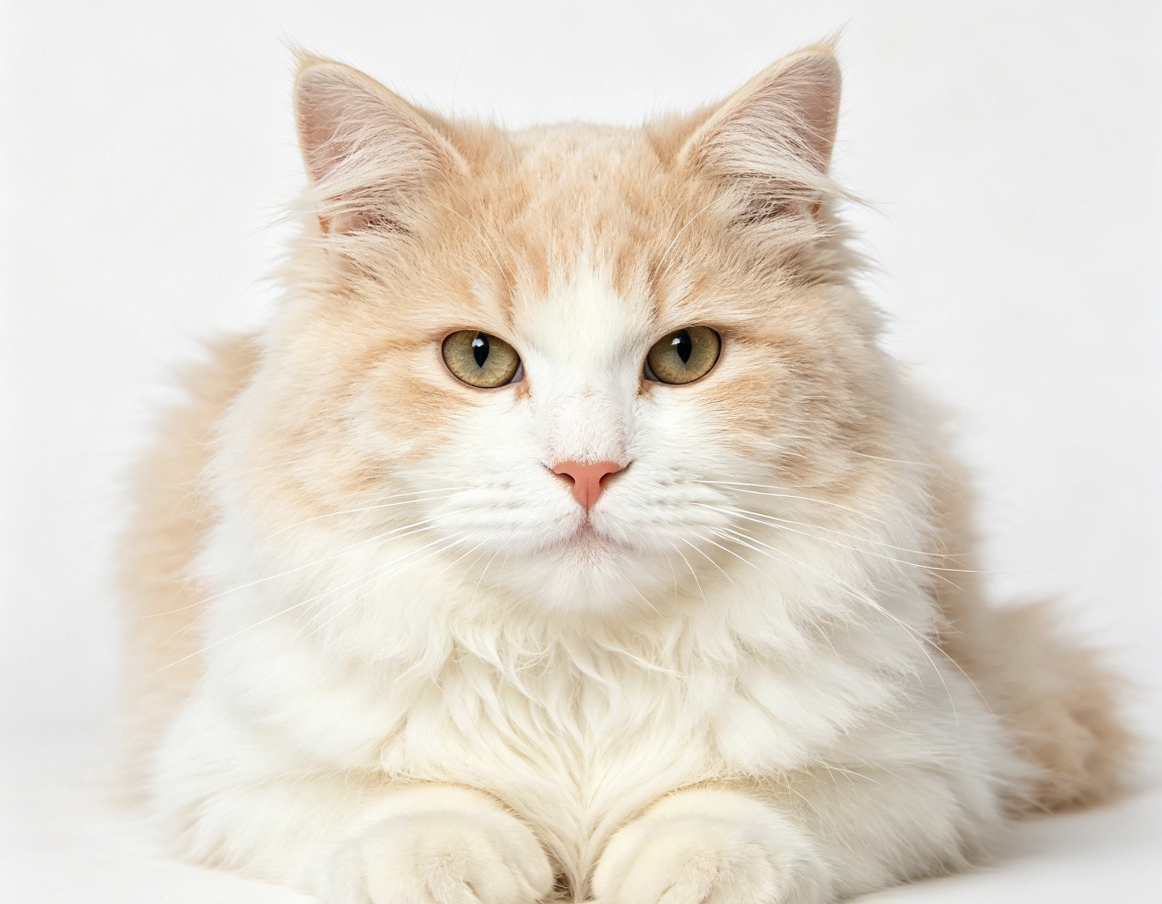
The Napoleon cat, also known as the Minuet, is a relatively new breed developed in the United States. In the 1990s, breeder Joe Smith crossed a Persian cat with a Munchkin to create a cat with the Persian's plush coat and round face, but the Munchkin's short legs. The breed was officially recognized by The International Cat Association (TICA) in 2016 under the name Minuet. The name 'Napoleon' refers to the famously short French emperor, fitting for these compact felines.
Physical Characteristics
Napoleon cats are small to medium-sized, with a sturdy, muscular body. Males typically weigh 9–12 pounds (4–5.4 kg) and females 6–9 pounds (2.7–4 kg). Their most distinctive feature is their short legs, which are a result of a naturally occurring genetic mutation. They have a round head, large round eyes, and small ears. The coat can be long or short, with longhairs having a dense, plush coat that requires regular grooming. Short coats are easier to maintain. Napoloeons come in a wide variety of colors and patterns, including solid, bicolor, and pointed.
Personality, Temperament and Behavioural Traits
Napoleon cats are known for their sweet, gentle, and affectionate nature. They form strong bonds with their families and enjoy being cuddled and held. They are playful but not hyperactive, often retaining a kitten-like demeanor into adulthood. They are sociable with other cats and cat-friendly dogs, making them great multi-pet households. While they are generally quiet cats, they may chirp or mew softly to communicate. They are not as prone to climbing as other breeds due to their short legs, but they still enjoy interactive toys and puzzle feeders.
Suitability: Families with Children, Apartments, First-Time Owners
Napoleons are excellent choices for families with children, as they are patient and tolerant. However, children should be taught to handle them gently due to their short legs and potential for back issues. They adapt well to apartment living because of their moderate activity level. Ideal for first-time owners, Napoleons are easygoing and adaptable, requiring minimal fuss. They are content as indoor-only cats and thrive in calm, loving homes.
Exercise and Mental Stimulation Requirements
Despite their short legs, Napoleons have moderate energy levels. They need daily play sessions of 15–20 minutes to stay healthy and prevent obesity. Interactive toys, feather wands, and laser pointers are great options. They also benefit from puzzle feeders and treat-dispensing toys to challenge their minds. Because they are not high jumpers, low-level cat trees and tunnel toys are suitable. Mental stimulation is just as important as physical exercise for this intelligent breed.

Grooming Schedule and Coat Care
The grooming needs of a Napoleon depend on coat length. Longhaired Napoleons require daily brushing to prevent mats and tangles, especially around the neck and tail. Shorthaired varieties need weekly brushing with a soft bristle brush. Bathe as needed, typically every few months. Weekly nail trimming, ear cleaning, and dental care are essential. Because of their flat faces (inherited from the Persian), some may have tear duct issues; gently wipe the eyes daily.
Common Breed-Specific Health Issues and Average Lifespan
Napoleons generally enjoy good health, but their Persian lineage can predispose them to polycystic kidney disease (PKD), progressive retinal atrophy (PRA), and brachycephalic respiratory issues. The short-legged trait does not typically cause the same spinal problems seen in Munchkins, but they should still avoid jumping from high places. Obesity can strain their legs and back. Regular veterinary checkups and a balanced diet are crucial. The average lifespan is 12–15 years with proper care.
Estimated Monthly Care Costs
Monthly expenses for a Napoleon cat include high-quality dry and wet food ($30–$50), litter and supplies ($20–$30), and pet healthcare/insurance ($15–$30). Initial setup costs (spay/neuter, vaccinations, microchipping) can be around $200–$500. Annual costs for vet visits, toys, and grooming tools add up to about $500–$800. Total monthly average is $65–$110, excluding emergencies.