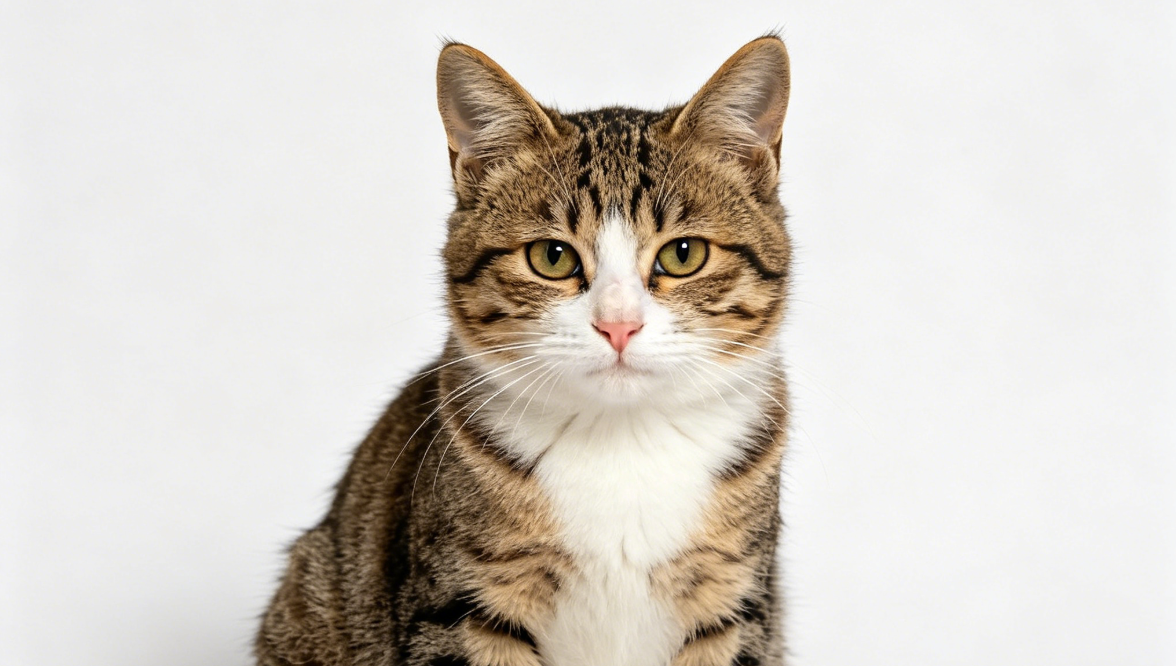
Breed History and Geographic Origin
The Chinese Domestic Cat, often affectionately called tǔ māo (土猫) or 'earth cat', is not a standardized breed but a landrace that has evolved naturally over centuries in China. These cats are believed to be descendants of African wildcats that traveled along ancient trade routes, adapting to the Chinese environment. Unlike many Western purebreds, Chinese Domestic Cats were not selectively bred for appearance but rather for their hunting prowess and resilience. They have been cherished as vermin controllers in rural areas and as companions in urban homes. Today, they are one of the most common cats in China, celebrated for their hardiness and adaptability.
Physical Characteristics
Chinese Domestic Cats are medium-sized, typically weighing between 8–12 pounds (3.6–5.4 kg), with a muscular, agile build. Their coats can be short or medium-long, and come in a wide variety of colors and patterns, including tabby, solid, tortoiseshell, and bicolor. The classic tabby pattern, especially the brown mackerel tabby, is most iconic. Their heads are rounded with large, expressive eyes that can be green, yellow, or amber. Ears are medium-sized and pointed. The tail is usually of medium length and can be either straight or slightly kinked—a common trait in many Asian domestic cats. Distinctive features include a sturdy bone structure and a weather-resistant double coat that varies with the season.
Personality, Temperament, and Behavioral Traits
Chinese Domestic Cats are known for their intelligent, curious, and independent nature. They are excellent hunters, retaining strong prey drives, and enjoy interactive play. While they can be aloof with strangers, they form deep bonds with their families and often exhibit dog-like loyalty. They are generally affectionate and gentle, seeking attention on their own terms. Many are vocal communicators, using a range of meows and purrs. They adapt well to change and are typically not prone to anxiety. Their intelligence means they can learn tricks and respond well to positive reinforcement training.
Suitability
Exercise and Mental Stimulation Requirements
These cats have moderate energy levels. Daily play sessions of 15–30 minutes with interactive toys (like wand toys or laser pointers) are ideal. They enjoy puzzle feeders and treat-dispensing toys to challenge their minds. Access to a window perch or safe outdoor enclosure (catio) can provide visual stimulation. Without proper enrichment, they may become bored and engage in destructive behaviors.
Grooming Schedule and Coat Care
Short-haired varieties require minimal grooming—weekly brushing to remove loose hair. Long-haired variants need brushing 2–3 times per week to prevent mats. Cats shed moderately all year, with heavier shedding in spring and fall. Nail trims every 2–3 weeks, regular ear cleaning, and dental care are recommended. Their self-grooming is efficient, but occasional baths may be needed for cats that get dirty.
Common Breed-Specific Health Issues and Average Lifespan
Chinese Domestic Cats are generally very healthy and robust due to their genetic diversity. They have few breed-specific issues, but like all cats, they are prone to obesity, dental disease, and common infections. Regular veterinary check-ups and vaccinations are essential. Their average lifespan is 12–18 years, with many living into their 20s with proper care.
Estimated Monthly Care Costs
Adoption fees are often low or waived, and initial costs (spay/neuter, vaccinations) are one-time expenses. Overall, the Chinese Domestic Cat is an affordable and rewarding companion.