History and Origin
The Abyssinian cat is one of the oldest known cat breeds, with a history that traces back to ancient Egypt. Artifacts and paintings from that era depict cats with a similar appearance, leading many to believe the breed originated in Egypt. However, the modern breed's development began in the 19th century when British soldiers returning from the Abyssinian War (now Ethiopia) brought a cat named 'Zula' to England. This cat, with its distinctive ticked coat and elegant build, became the foundation of the breed. The Abyssinian was first exhibited at the Crystal Palace Cat Show in 1871, and by the early 20th century, it was recognized by cat registries worldwide.
Appearance
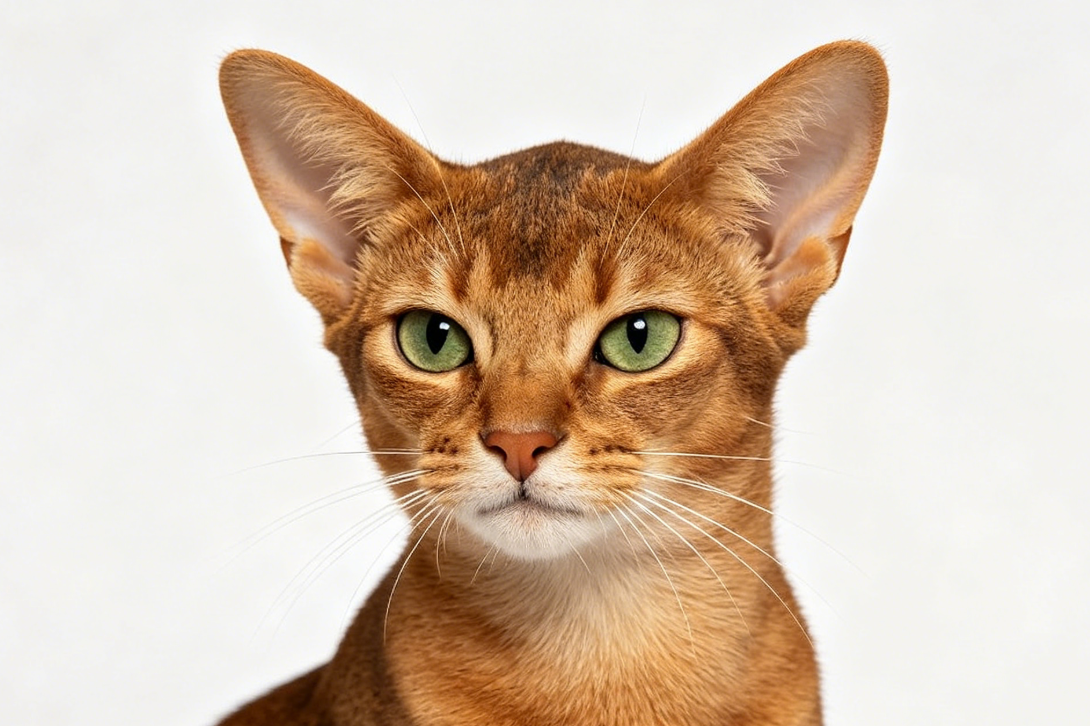
The Abyssinian is a medium-sized, muscular cat with a slender, graceful body. Males typically weigh 8-10 pounds (3.6-4.5 kg), while females are slightly smaller at 6-8 pounds (2.7-3.6 kg). Their coat is short, dense, and silky, with a distinctive ticked or agouti pattern—each hair has multiple bands of color, giving a shimmering effect. The most common coat colors include ruddy (warm brown with black ticking), red (cinnamon with chocolate ticking), blue (warm beige with blue-grey ticking), and fawn (soft cream with fawn ticking). Their ears are large, alert, and slightly pointed, contributing to their wild, exotic look. The eyes are almond-shaped and expressive, often described as 'sparkling,' and come in shades of gold, green, or hazel.
Personality and Temperament
Abyssinians are active, playful, and highly intelligent. They are known for their curiosity and love of exploration, often climbing to high perches or investigating every nook and cranny. They are social cats that form strong bonds with their owners and enjoy being involved in household activities. While they are affectionate, they are not lap cats in the traditional sense—they prefer to be near you rather than on you. They are vocal but not excessively so, using soft mews and chirps to communicate. Abyssinians are good with children and other pets, making them a versatile addition to many homes.
Ideal Households
Exercise and Mental Stimulation
Abyssinians have high energy levels and need at least 20-30 minutes of active play daily. They enjoy chasing toys, playing fetch, and solving puzzle feeders. Interactive toys, cat trees, and window perches are excellent for keeping them engaged. Without sufficient mental and physical stimulation, they may become destructive or develop behavioral issues.
Grooming
Due to their short coat, Abyssinians require minimal grooming. A weekly brushing with a soft bristle brush or rubber grooming mitt helps remove loose hair and distribute skin oils. They rarely need baths unless they get into something messy. Regular nail trimming, ear cleaning, and dental care are recommended.
Health and Lifespan
Abyssinians are generally healthy, with an average lifespan of 12-14 years. However, they are prone to certain genetic conditions, including:
Regular veterinary check-ups and a healthy diet can help manage these conditions.
Monthly Cost Estimates
Owning an Abyssinian involves ongoing expenses. The table below provides approximate monthly costs:
| High-quality cat food | $40–$60 | Litter and litter box supplies | $15–$25 | Routine vet care (annual average) | $20–$30 | Toys and enrichment | $10–$20 | Miscellaneous (grooming supplies, treats) | $10–$15 | Monthly total | $95–$150 |
These estimates do not include one-time costs like neutering, microchipping, or emergency veterinary care. Pet insurance is recommended and can add $15–$30 per month.